Committees / Technical Committee/Newsletter/11.06.20 april2

01.01.1970
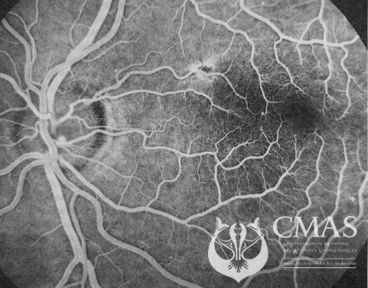
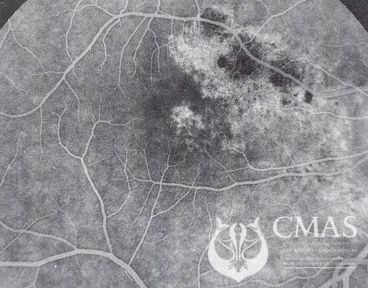
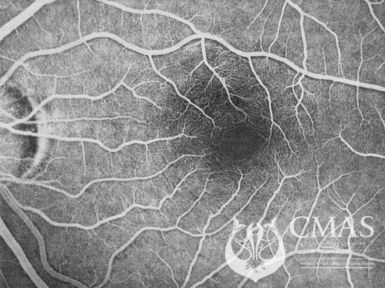
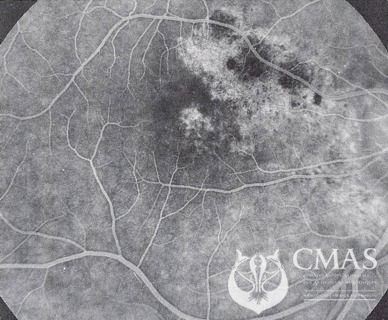
Further proof of potential damage, if further proof is needed, comes from a study by Polkighorne, Sehmi, Cross and Bird who looked at lesions in the eyes of divers. Fig 1 shows a normal retina, Fig 2 shows minor pigment and capillary changes in the eye of a diver and Fig 3 shows gross changes in a diver’s eye. The findings of the study were statistically significant. It showed that during the first year of diving 22% of diver surveyed developed pigment changes in their eyes. In divers with no record of DCI, 36% had pigment changes. Whilst in those with a history of DCI 92% had changes. None of these divers had any idea that they had suffered any damage – silent bubbles cause silent damage! In fact, diving could be described as a “slow accident”! The report authors suggested that vascular obstruction (ie blocked blood vessels) as a cause.

Given that micro-bubbles (MBs) obstructs blood vessels and ascents cause MBs (or so-called free-gas), it would seem common sense to slow the rate of ascent and include DeeP-Stops!

Keep in mind that the eyes are “end organs” of the brain and are a window into the brain that needs no scalpel. Capillary damage seen here is more than likely to be mirrored in the brain itself.
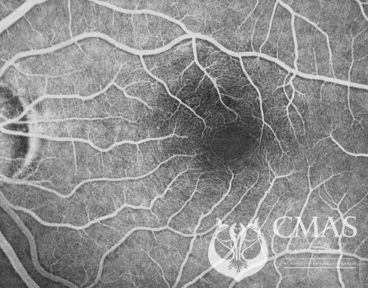
 
retina_normal.jpg01
 
retina_minor_damage.jpg01
 
retina_gross_damage.jpg01
 A Normal Retina  Minor Retina Damage  Gross Retina Damage


Ear Clearing?

Think on! You may have a PFO without knowing it - about 25% of us do!!. Remember that clearing your ear using Valsalva’s maneuver may shunt MBs into your arterial circulation - DCI may be next!. Find another way to clear your ears and add DeeP-Stops into your dive profile - please.

Safe Diving

Bob Cole
CMAS Technical Director

Related Documents

Share this with your friends

More news